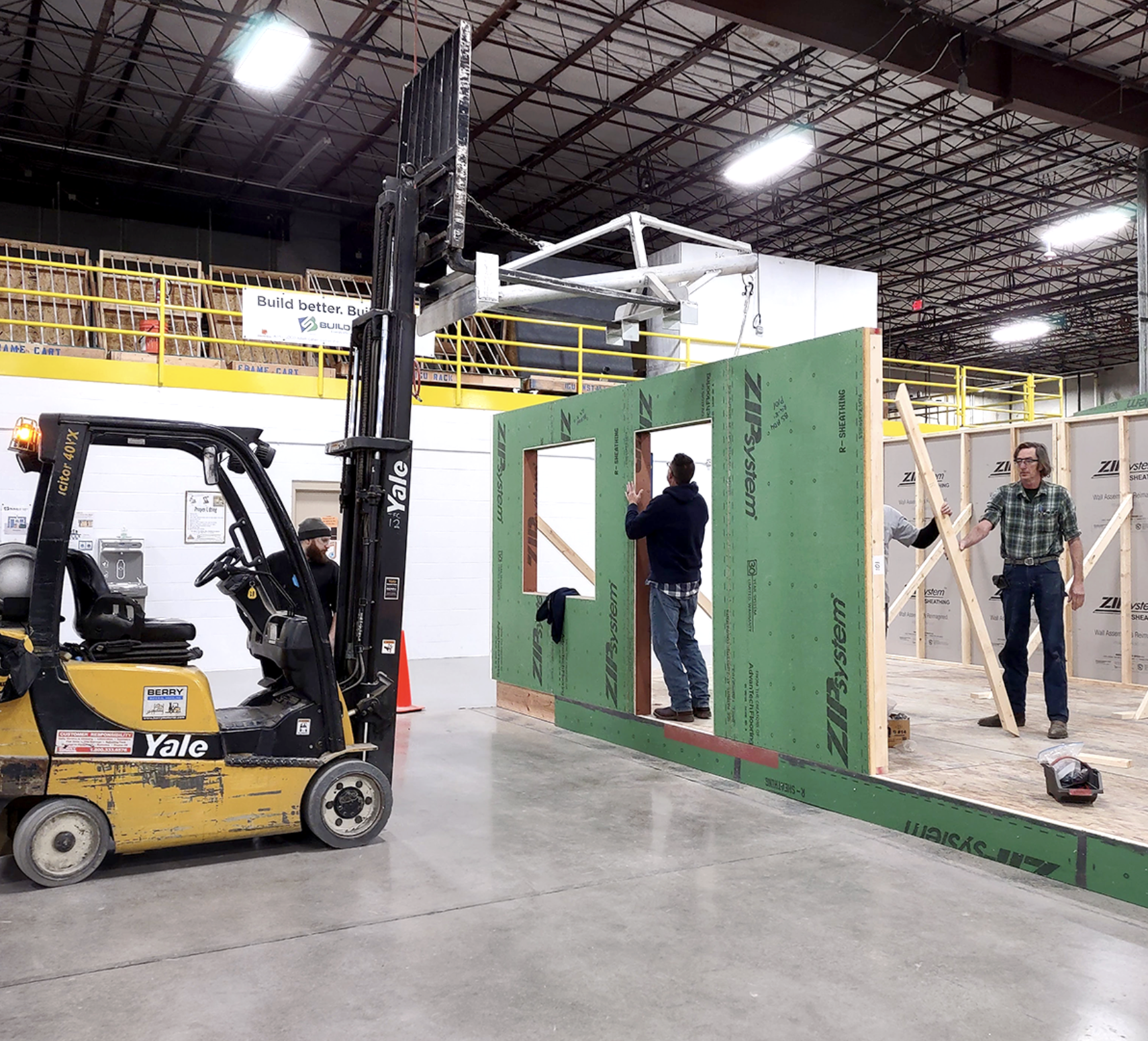
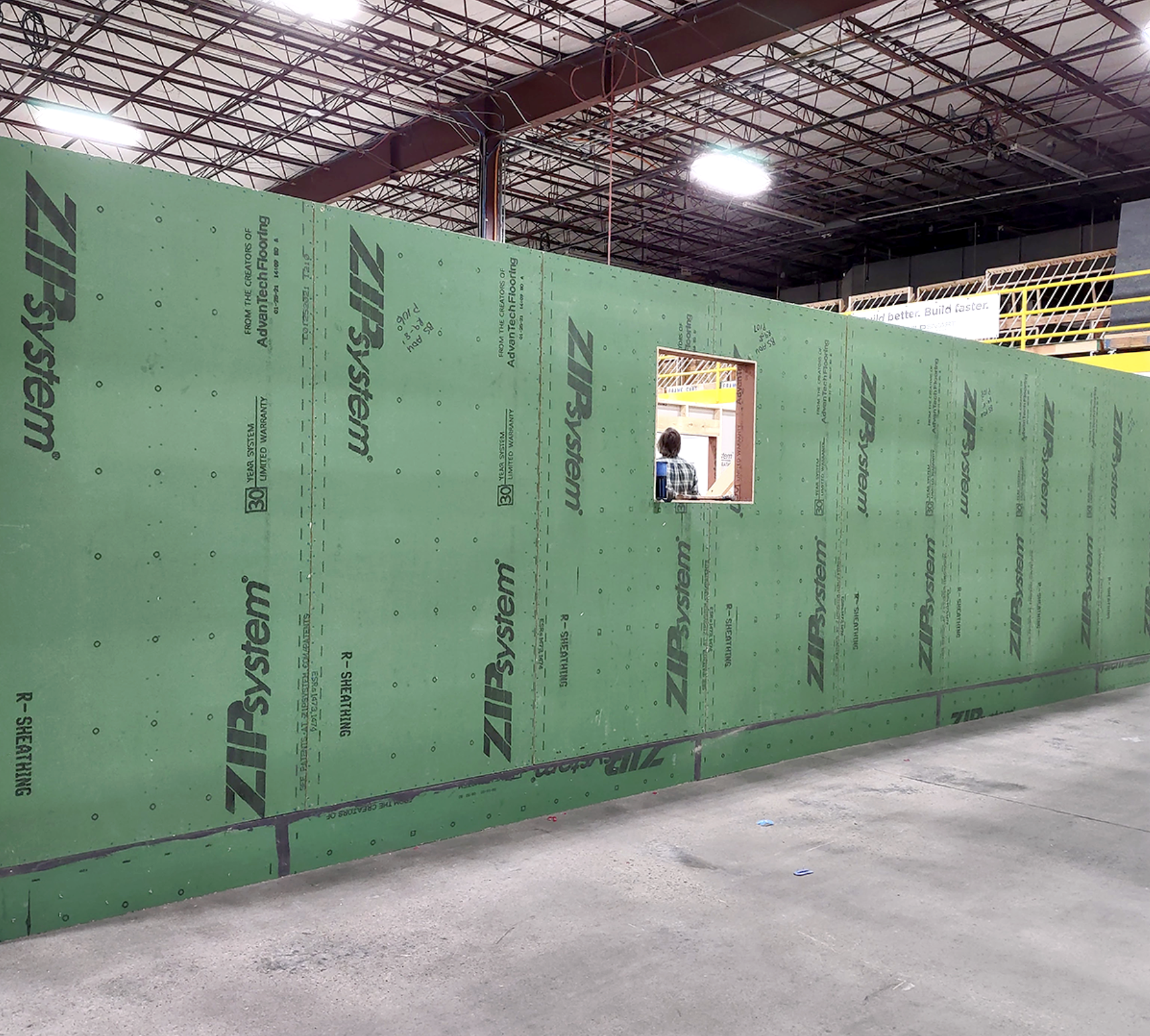
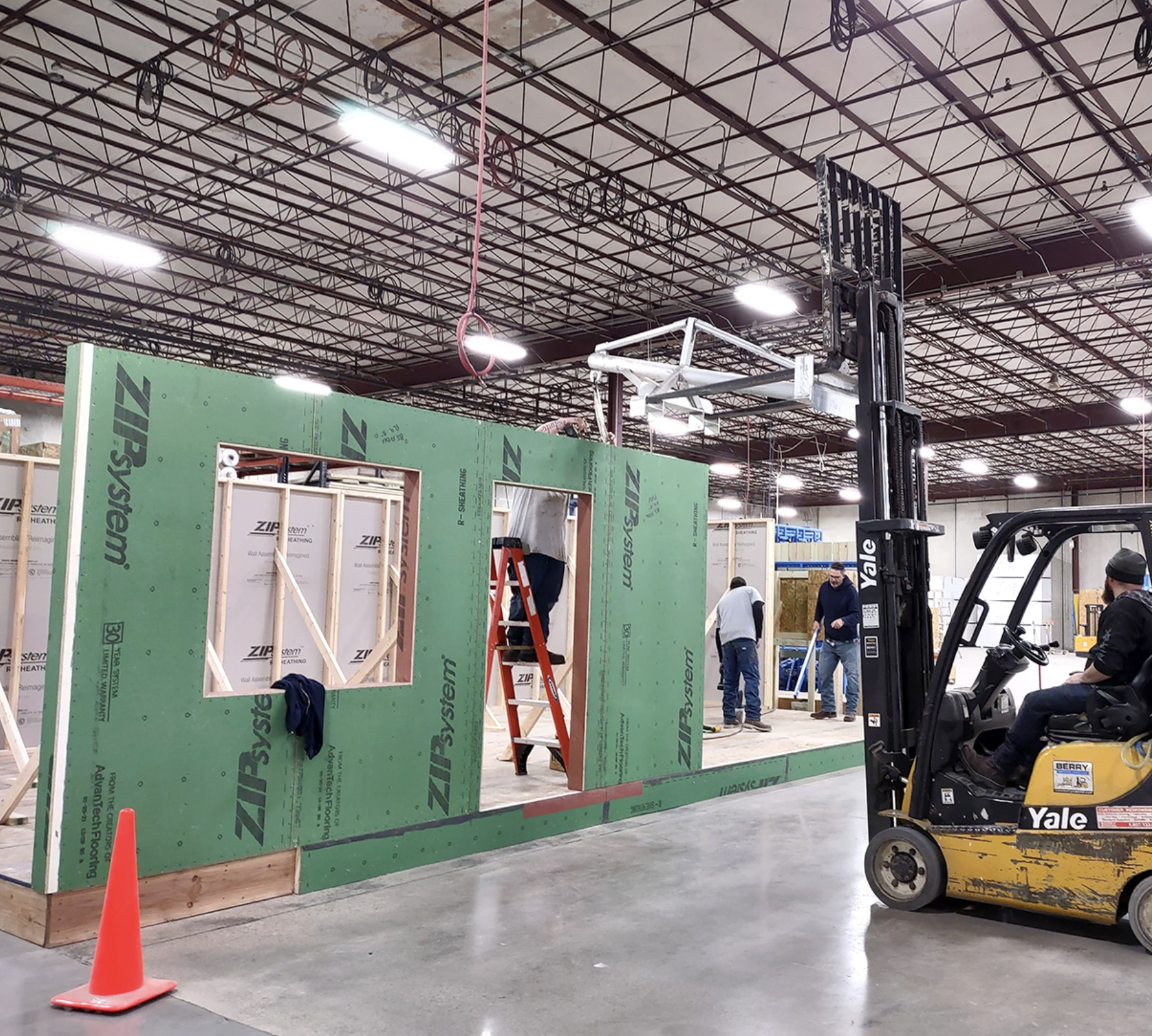
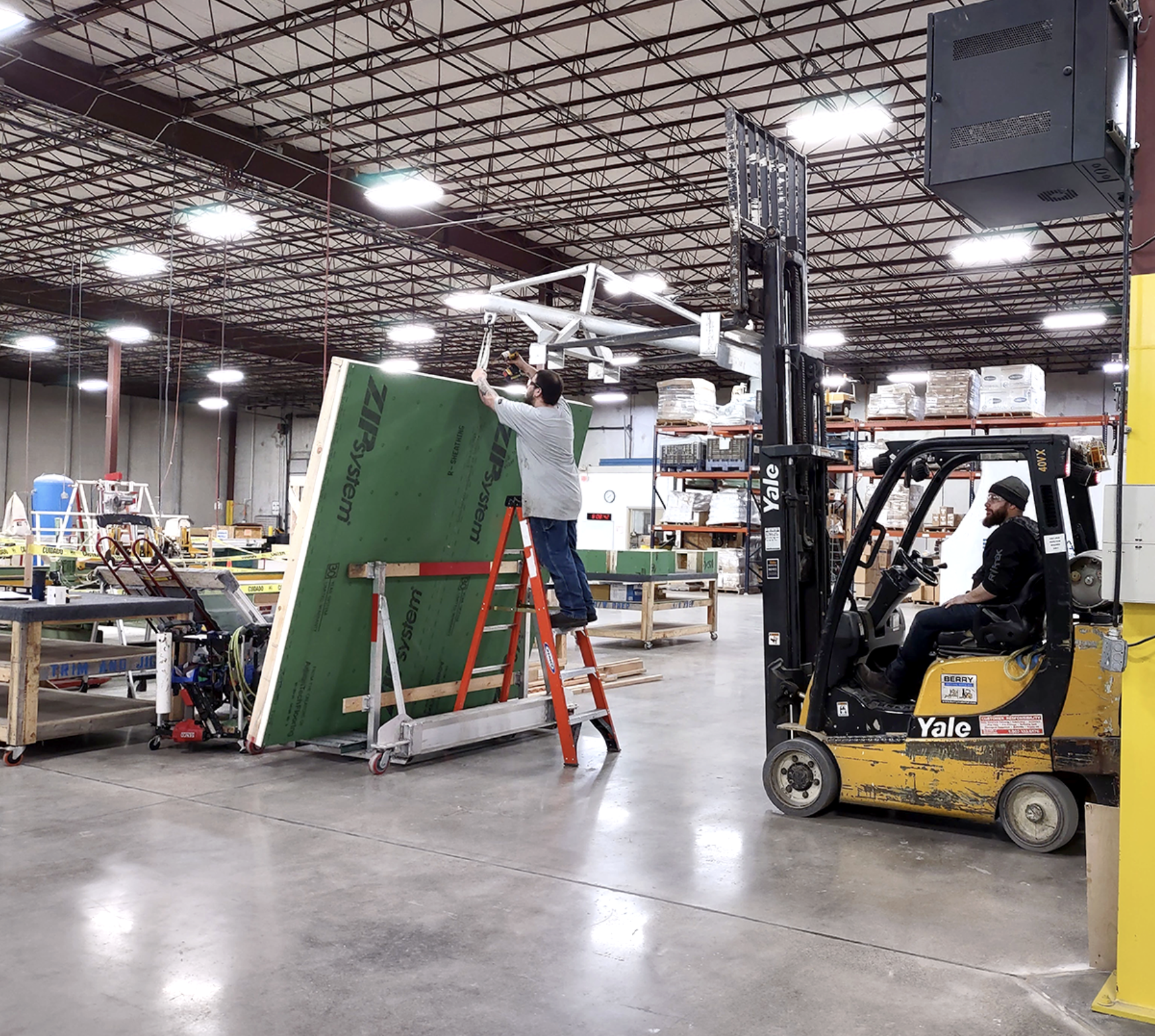
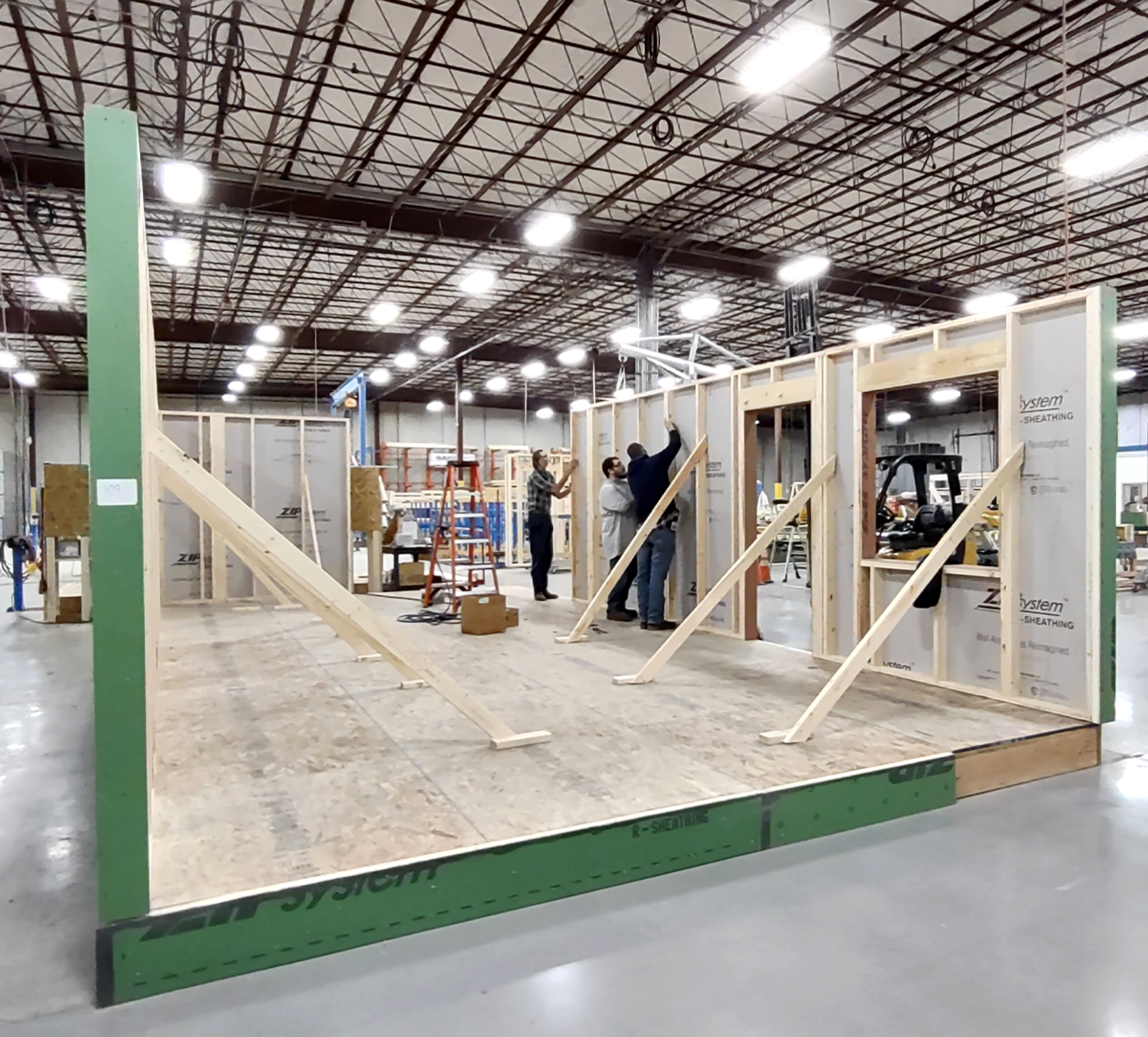
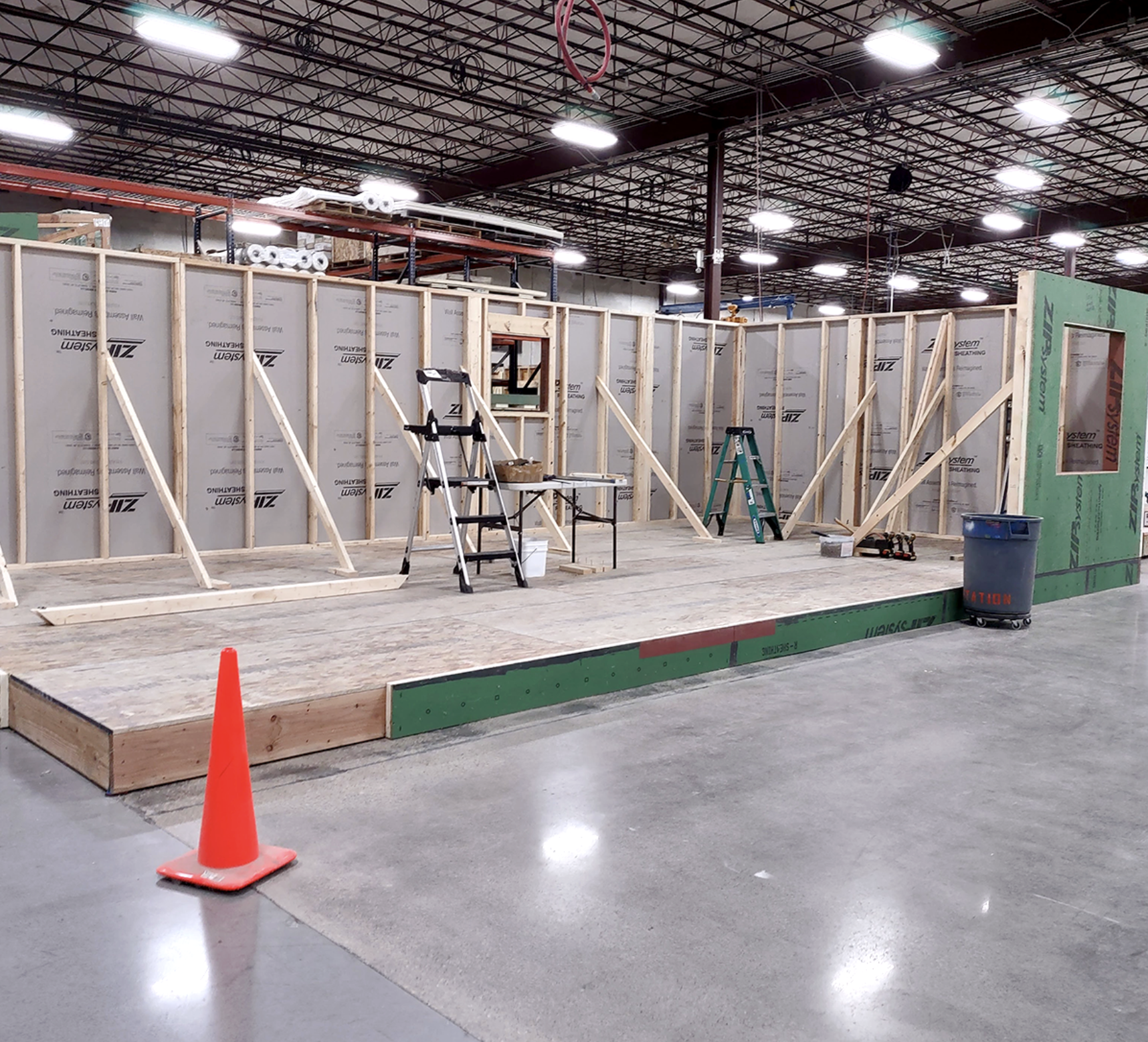
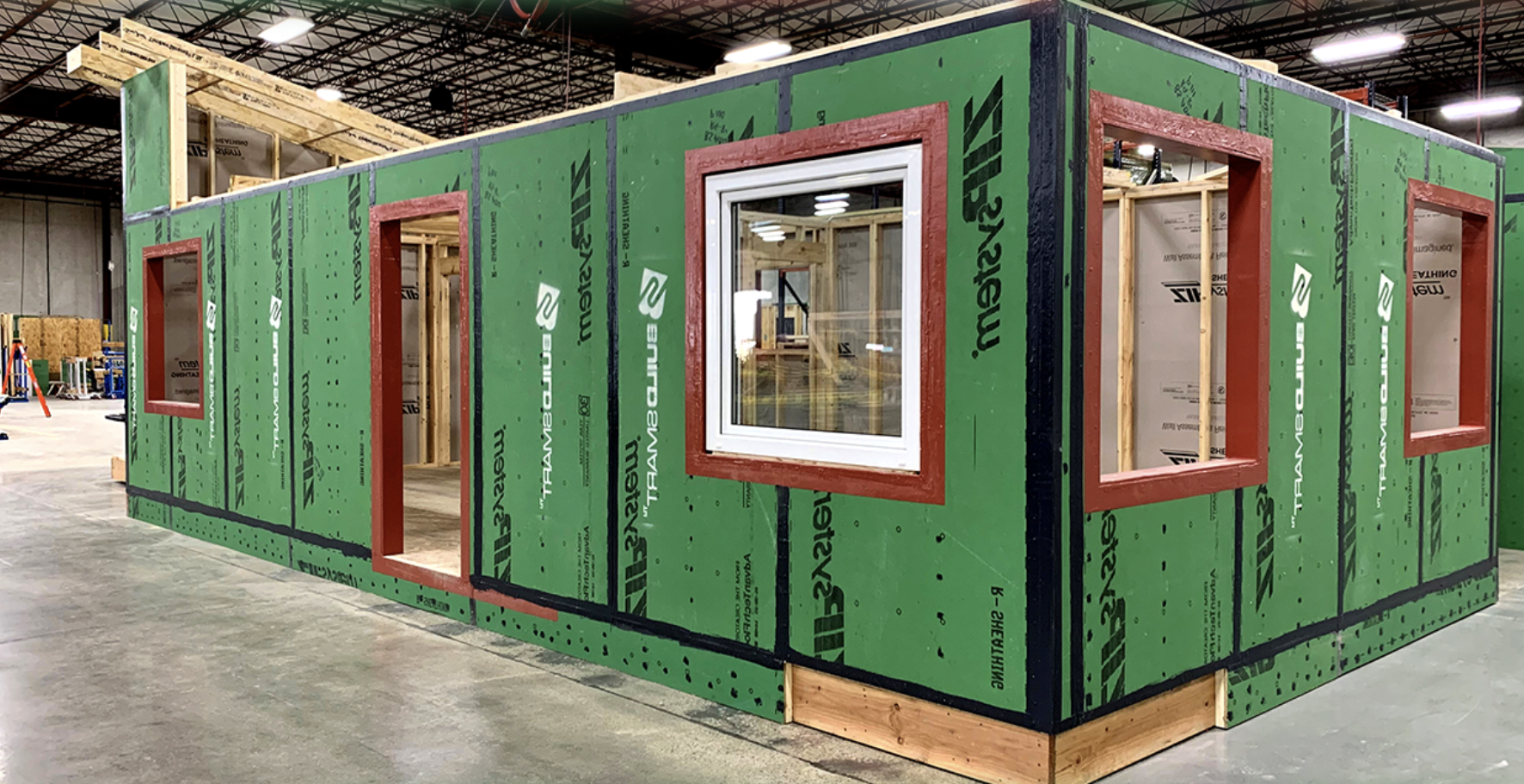
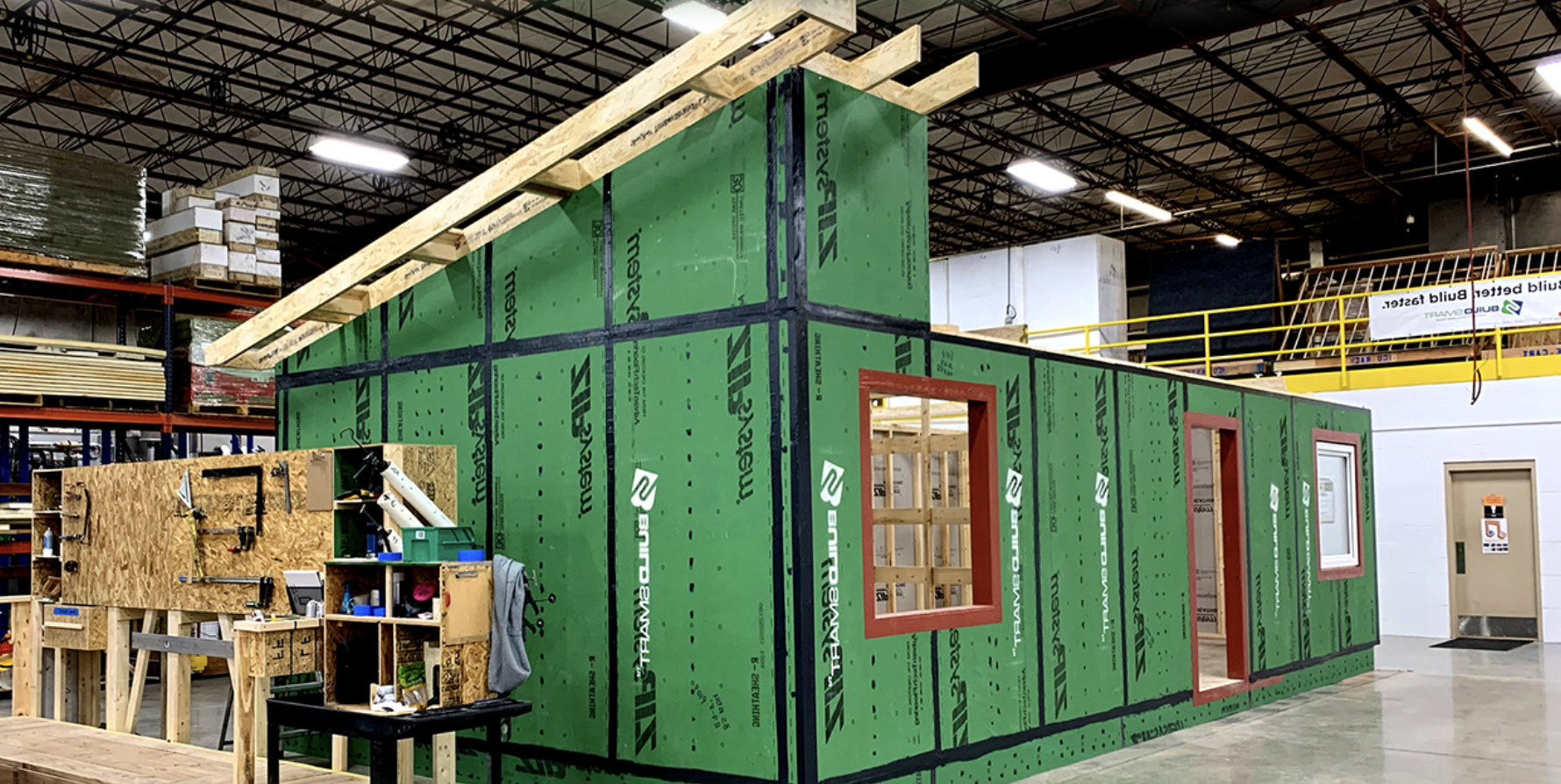
SPF Accessory Dwelling Unit: ADUs explained
LOCATION: Lawrence, KS
PROJECT TYPE: Accessory Dwelling Unit
SIZE: 96 LF
CLIMATE ZONE: Built for Climate Zones : 4
E-Wall Type: 2x4 SPF, R9 Sheathing
It’s no big secret that the nation is experiencing a housing crisis, what many don’t realize is this shortage in housing has real consequences for the quality of American family life, the economy and the future of housing politics. In 2020, 30% of all households had “unaffordable” rent or mortgage payments, defined as exceeding 30% of monthly household income. At Build SMART we aim to tackle this problem head on.
In it’s most common forms, an accessory dwelling unit, usually just called an ADU, is a secondary housing unit on a single-family residential lot. Whether its a Detached New Construction ADU, Garage Conversion ADU, an ADU above a garage or workshop, an Addition ADU, Basement conversion ADUs or even an Internal ADU Build SMART’s got you covered.
While their may be more than one kind of ADU, they share some universal characteristics and face common design and development challenges. The most obvious being the fact that placing secondary housing units on single family residentially zoned lots places ADUs into it’s own category of housing. Below are some of the distinguishing characteristics of ADUs:
ADUs are accessory and usually adjacent to a primary housing unit
ADUs are a lot smaller than the average home
ADUs tend to be one of two units owned by one owner on a single family residential lot
ADUs tend to be developed separately from the primary house by homeowner developers
A range of municipal land use and zoning regulations categorize ADU types and styles
There is A LOT of informal ADUs exist compared to permitted ADUs.
These differentiating characteristics make ADUs a distinct type of housing. Till now, there has been a lack of common understanding around the language and best practices of ADU development.